Blog

Puncture Wounds Underfoot

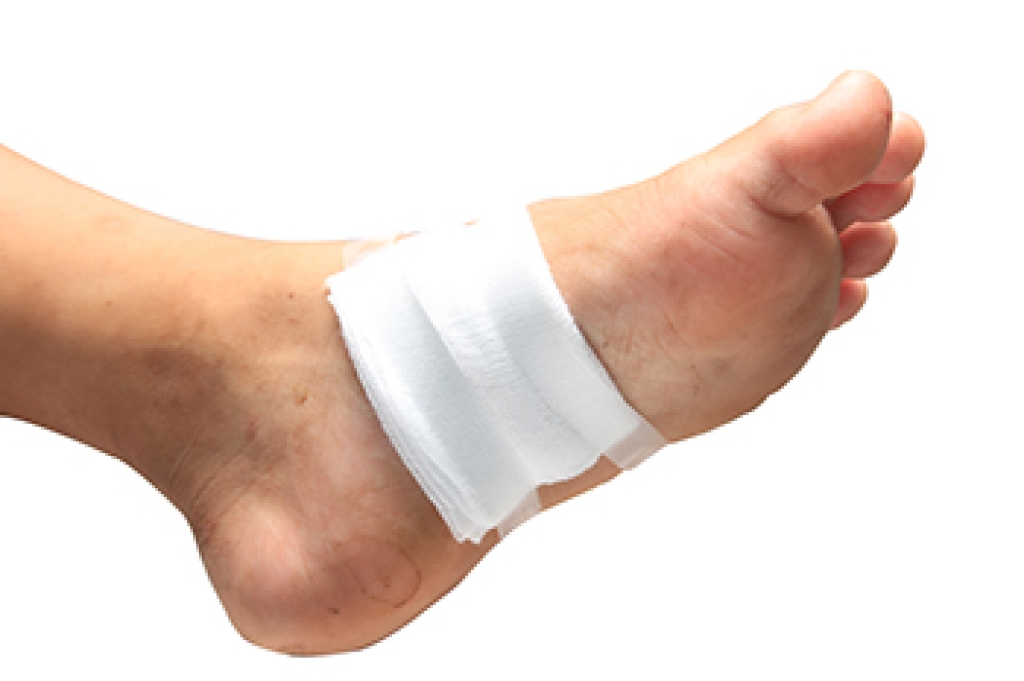
A puncture wound on the foot is a deep injury caused by a sharp object breaking through the skin, such as a nail, splinter, tack, or piece of glass. These injuries may look small on the surface, but damage can extend deeper into soft tissue, joints, or even bone. Because the opening is narrow, bacteria can become trapped inside, raising the risk of infection. People with diabetes, circulation concerns, or a reduced feeling in the feet may face greater complications. A podiatrist can examine how deep the injury goes, check for hidden debris, evaluate for infection, and order imaging, if needed. Treatment may include wound cleaning, pressure relief, infection management, and close monitoring to support healing and prevent more serious problems. If you have a puncture wound on your foot, especially with pain, redness, or swelling, it is strongly suggested that you visit a podiatrist for effective treatment solutions.

Wound care is an important part in dealing with diabetes. If you have diabetes and a foot wound or would like more information about wound care for diabetics, consult with Dr. Yeon A. Shim from Roselle Podiatry Group. Our doctor will assess your condition and provide you with quality foot and ankle treatment.

What Is Wound Care?

Wound care is the practice of taking proper care of a wound. This can range from the smallest to the largest of wounds. While everyone can benefit from proper wound care, it is much more important for diabetics. Diabetics often suffer from poor blood circulation which causes wounds to heal much slower than they would in a non-diabetic. 

What Is the Importance of Wound Care?

While it may not seem apparent with small ulcers on the foot, for diabetics, any size ulcer can become infected. Diabetics often also suffer from neuropathy, or nerve loss. This means they might not even feel when they have an ulcer on their foot. If the wound becomes severely infected, amputation may be necessary. Therefore, it is of the upmost importance to properly care for any and all foot wounds.

How to Care for Wounds

The best way to care for foot wounds is to prevent them. For diabetics, this means daily inspections of the feet for any signs of abnormalities or ulcers. It is also recommended to see a podiatrist several times a year for a foot inspection. If you do have an ulcer, run the wound under water to clear dirt from the wound; then apply antibiotic ointment to the wound and cover with a bandage. Bandages should be changed daily and keeping pressure off the wound is smart. It is advised to see a podiatrist, who can keep an eye on it.

If you have any questions please contact our office located in Roselle, NJ . We offer the newest diagnostic and treatment technologies for all your foot and ankle needs.

Read more about Wound Care

Are Bunions Affecting Your Everyday Life?

Have you noticed a bony protrusion on the side of your big toe? If so, you may have developed the foot condition known as a bunion. Don't let bunions interfere with your daily activities.

Gout and Sudden Big Toe Pain

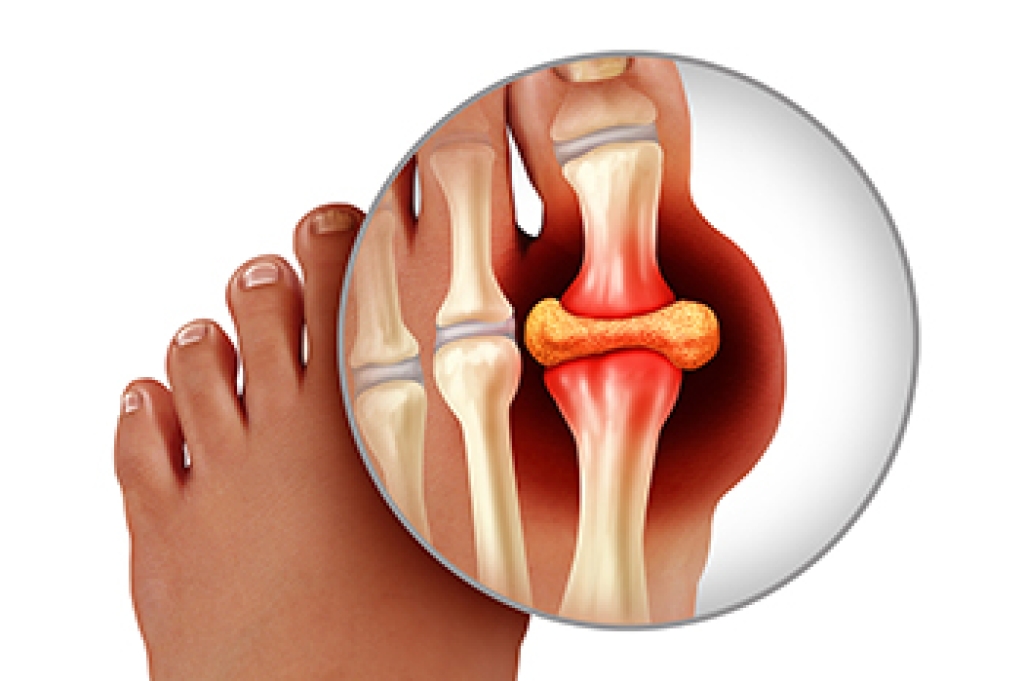
Gout is a form of arthritis caused by a buildup of uric acid crystals in the joints. It often affects the big toe because this joint is more prone to temperature changes and stress, which can encourage crystal formation. Symptoms include sudden intense pain, redness, swelling, and warmth, often occurring at night. Risk factors include a diet high in purines, obesity, dehydration, certain medications, and family history. Without proper care, flare-ups may become more frequent and severe. A podiatrist can diagnose gout, provide treatment to relieve pain, and offer guidance on lifestyle changes to reduce future attacks. If you have symptoms of gout, it is strongly suggested that you are under the care of a podiatrist who can help you to manage this painful condition.

Gout is a painful condition that can be treated. If you are seeking treatment, contact Dr. Yeon A. Shim from Roselle Podiatry Group. Our doctor will treat your foot and ankle needs.

What Is Gout?

Gout is a form of arthritis that is characterized by sudden, severe attacks of pain, redness, and tenderness in the joints. The condition usually affects the joint at the base of the big toe. A gout attack can occur at any random time, such as the middle of the night while you are asleep.

Symptoms

  • Intense Joint Pain - Usually around the large joint of your big toe, and it most severe within the first four to twelve hours
  • Lingering Discomfort - Joint discomfort may last from a few days to a few weeks
  • Inflammation and Redness -Affected joints may become swollen, tender, warm and red
  • Limited Range of Motion - May experience a decrease in joint mobility

Risk Factors

  • Genetics - If family members have gout, you’re more likely to have it
  • Medications - Diuretic medications can raise uric acid levels
  • Gender/Age - Gout is more common in men until the age of 60. It is believed that estrogen protects women until that point
  • Diet - Eating red meat and shellfish increases your risk
  • Alcohol - Having more than two alcoholic drinks per day increases your risk
  • Obesity - Obese people are at a higher risk for gout

Prior to visiting your podiatrist to receive treatment for gout, there are a few things you should do beforehand. If you have gout you should write down your symptoms--including when they started and how often you experience them, important medical information you may have, and any questions you may have. Writing down these three things will help your podiatrist in assessing your specific situation so that he or she may provide the best route of treatment for you.

If you have any questions, please feel free to contact our office located in Roselle, NJ . We offer the newest diagnostic and treatment technologies for all your foot care needs.

Read more about Gout

Ingrown Toenails and Foot Structure

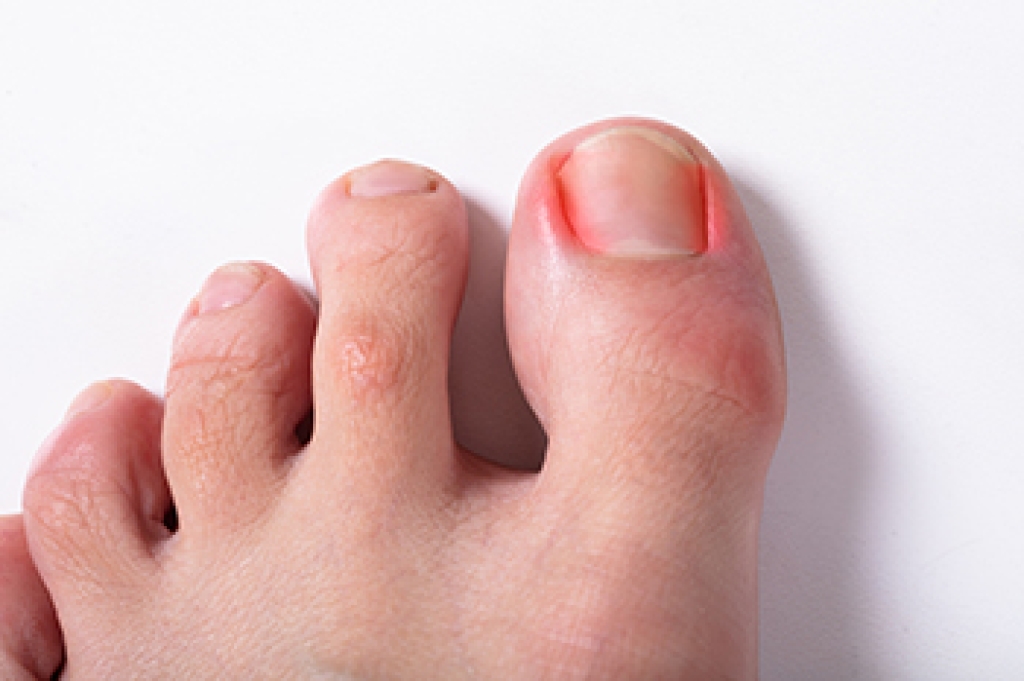
An ingrown toenail happens when the nail edge presses into the surrounding skin, causing pain, redness, swelling, and sometimes infection. Wearing tight footwear, nail trimming habits, injury, and natural nail shape often play a role. Treatment usually focuses on the affected nail itself rather than changing the overall shape of the foot. However, some people with severe or repeated ingrown toenail problems may also have flat feet, which can change how pressure is distributed across the toes and make the condition more difficult to control. A podiatrist can determine whether the issue is simply the nail or whether foot mechanics are contributing to the problem. Care may include reducing inflammation, treating infection, removing the problematic nail border, or addressing pressure-related concerns. If you have recurring or painful ingrown toenails, it is suggested that you visit a podiatrist for appropriate relief and treatment solutions.

Ingrown toenails can become painful if they are not treated properly. For more information about ingrown toenails, contact Dr. Yeon A. Shim of Roselle Podiatry Group. Our doctor can provide the care you need to keep you pain-free and on your feet.

Ingrown Toenails

Ingrown toenails occur when a toenail grows sideways into the bed of the nail, causing pain, swelling, and possibly infection.

Causes

  • Bacterial infections
  • Improper nail cutting such as cutting it too short or not straight across
  • Trauma to the toe, such as stubbing, which causes the nail to grow back irregularly
  • Ill-fitting shoes that bunch the toes too close together
  • Genetic predisposition

Prevention

Wearing proper fitting shoes and using proper cutting techniques will also help decrease your risk of developing ingrown toenails.

Treatment

Ingrown toenails are a very treatable foot condition. In minor cases, soaking the affected area in salt or antibacterial soaps will not only help with the ingrown nail itself, but also help prevent any infections from occurring. In more severe cases, surgery is an option. In either case, speaking to your podiatrist about this condition will help you get a better understanding of specific treatment options that are right for you.

If you have any questions, please feel free to contact our office located in Roselle, NJ . We offer the newest diagnostic and treatment technologies for all your foot care needs.

Read more about Ingrown Toenail Care

When the Toenail Separates From Its Bed

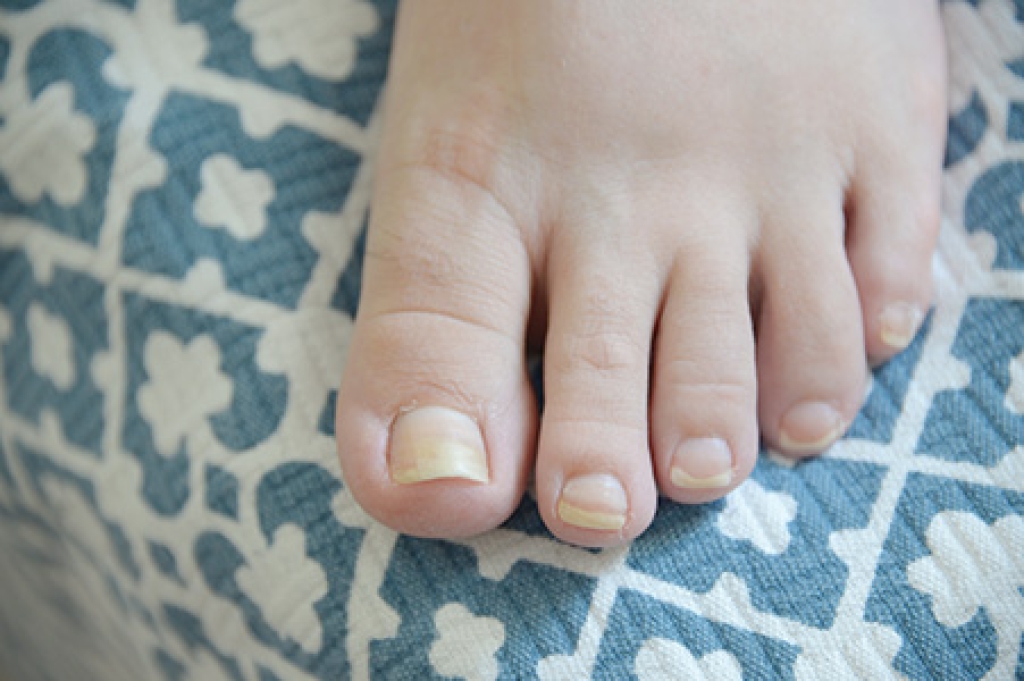
When a toenail separates from the skin beneath it, the condition is called onycholysis. This can make the nail look white or yellow where it has lifted, while the rest of the nail remains pink. The area may collect debris and can sometimes develop an odor or mild discomfort. Causes of toenail separation include repeated pressure from shoes, direct injury, and fungal infection. Certain medical conditions that affect nail growth may also be a factor. In some cases, the nail edge becomes uneven or thickened as it pulls away from the nail bed. A podiatrist can examine the nail closely, determine the cause, and check for infection or underlying disease.  Trimming the damaged portion and testing nail samples may also be involved. Treatment plans include managing infection, reducing pressure on the nail, and guiding healthy regrowth. If your toenail lifts from the nail bed, it is suggested that you schedule an appointment with a podiatrist for a diagnosis and appropriate treatment.

Toe pain can disrupt your daily activities. If you have any concerns, contact Dr. Yeon A. Shim of Roselle Podiatry Group. Our doctor can provide the care you need to keep you pain-free and on your feet.

What Causes Toe Pain?

Most severe toe pain is caused due to a sports injury, trauma from dropping something heavy on the toe, or bumping into something rigid. Other problems can develop over time for various reasons.

Toe pain can be caused by one or more ailments. The most common include:

  • Trauma
  • Sports injury
  • Wearing shoes that are too tight
  • Arthritis
  • Gout
  • Corns and calluses
  • Hammertoe
  • Bunions
  • Blisters
  • Ingrown toenails
  • Sprains
  • Fractures (broken bones)
  • Dislocations

When to See a Podiatrist

  • Severe pain
  • Persistent pain that lasts more than a week
  • Signs of infection
  • Continued swelling
  • Pain that prevents walking

Diagnosis

In many cases the cause of toe pain is obvious, but in others, a podiatrist may want to use more advanced methods to determine the problem. These can range from simple visual inspections and sensation tests to X-rays and MRI scans. Prior medical history, family medical history, and any recent physical traumatic events will all be taken into consideration for a proper diagnosis.

Treatment

Treatments for toe pain and injuries vary and may include shoe inserts, padding, taping, medicines, injections, and in some cases, surgery. If you believe that you have broken a toe, please see a podiatrist as soon as possible.

If you have any questions please contact our office located in Roselle, NJ . We offer the newest diagnostic and treatment technologies for all your foot and ankle needs.
Read more about Toe Pain
scroll to top